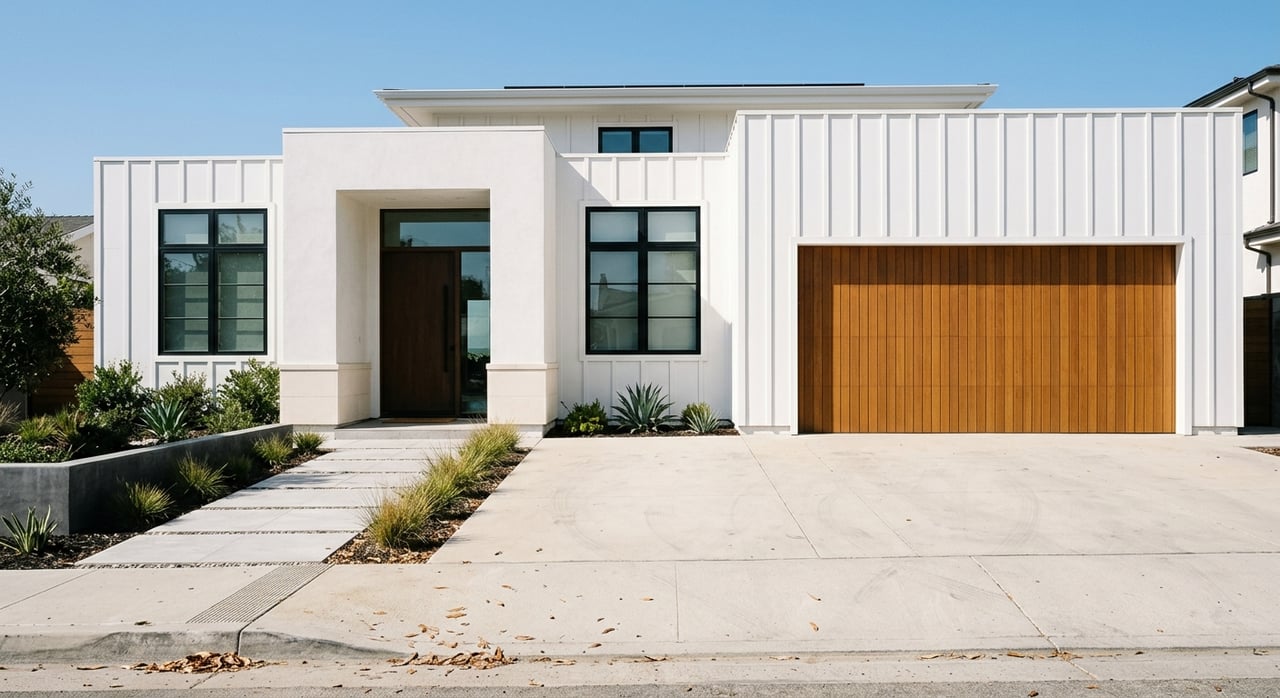
Selling in Point Loma is not just about putting a sign in the yard and hoping for strong offers. Buyers here are often comparing your home against a premium coastal setting, distinct micro-neighborhoods, and a price point where condition and documentation matter. If you want to sell smoothly, the goal is usually not a huge renovation. It is a smart, selective prep plan that helps your home show well, supports your price, and reduces surprises in escrow. Let’s dive in.
Why Point Loma prep is different
Point Loma is a highly urbanized coastal community with distinct areas including Loma Portal, Fleetridge, Roseville, Sunset Cliffs, Wooded Area, La Playa, Liberty Station, and others identified in the Peninsula Community Plan. That matters because buyers do not judge your home against all of San Diego. They compare it to nearby homes in your immediate neighborhood and price range.
That local context shapes how you should prepare your property. A seller in a historic pocket may face different buyer expectations than a seller near Liberty Station or along a bayfront location. In most cases, the best results come from matching your prep work to your micro-market instead of spending broadly on upgrades that may not pay you back.
Recent Redfin data shows Point Loma remains very competitive, with a median sale price of about $1.72 million over the last three months, homes selling in about 28 days, and the typical sale closing around 1.2% below list. In a market like this, clean presentation and accurate pricing often matter more than major remodeling.
Focus on visible value first
If you are deciding where to spend time and money, start with the changes buyers can see right away. A home that looks clean, cared for, and move-in ready tends to make a stronger first impression than a home with expensive behind-the-scenes work that is harder to notice during a showing.
The strongest pre-sale updates are often simple ones. Fresh paint, clean surfaces, working fixtures, and a tidy exterior usually do more to improve buyer response than a full kitchen or bath overhaul. This is especially true if your home already fits the general condition and style of nearby comparable listings.
The National Association of REALTORS® 2025 Remodeling Impact Report found that agents often recommend painting the entire home, painting a single interior room, and installing new roofing before listing. The same report also noted strong demand for kitchen upgrades, new roofing, and bathroom renovations. Even so, in Point Loma, the most practical path is often selective improvement rather than full replacement.
Curb appeal matters in Point Loma
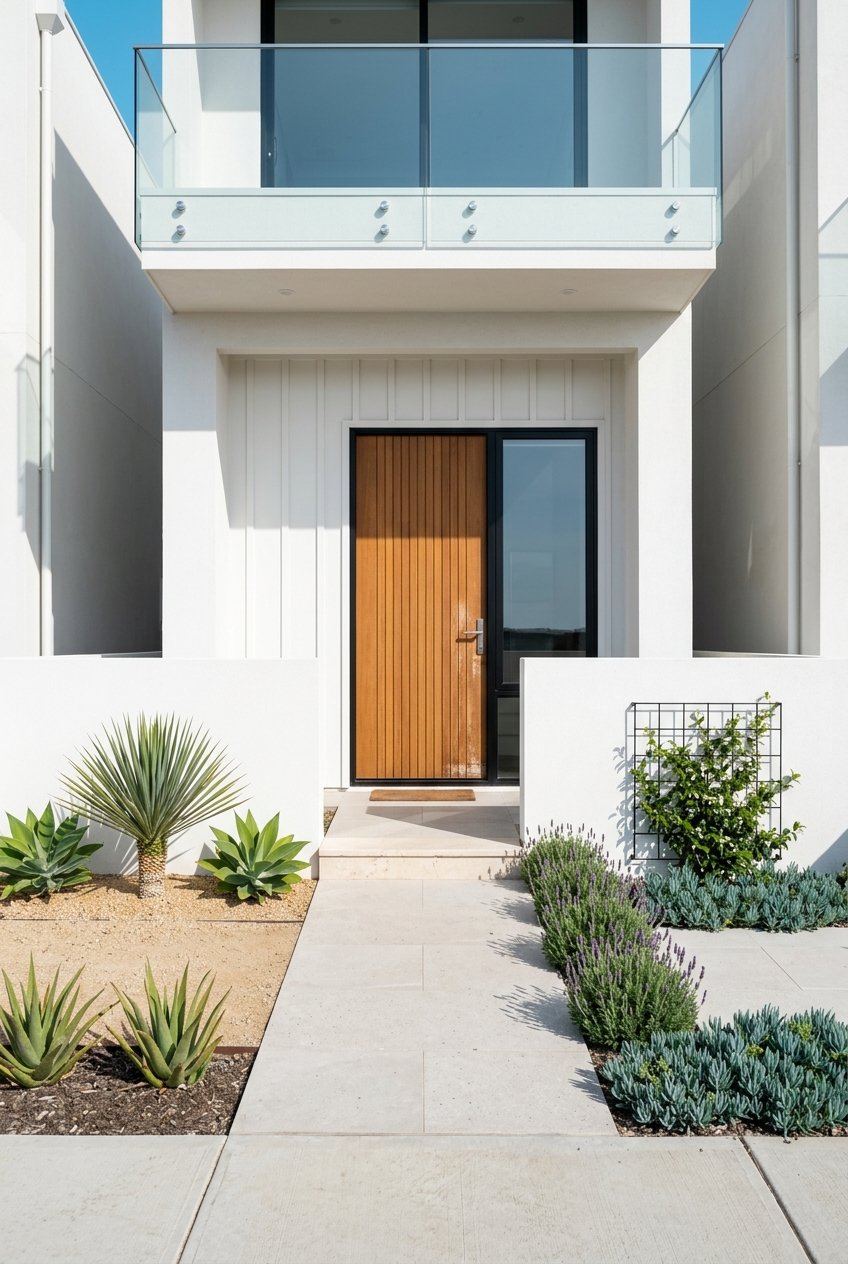
Your exterior does a lot of heavy lifting in a coastal neighborhood. Buyers often form their opinion before they even walk inside, and Point Loma’s setting naturally raises expectations for outdoor presentation.
NAR also found that 97% of members believe curb appeal is important in attracting a buyer. That does not mean you need an elaborate landscape redesign. It usually means making sure the entry feels inviting, the yard looks maintained, and exterior details do not signal deferred maintenance.
I recommend focusing on a short list of high-impact exterior items:
- Touch up or refresh exterior paint where wear is visible
- Clean walkways, porches, and hardscape
- Repair or replace worn gates and entry hardware
- Update dated or damaged light fixtures
- Trim landscaping and remove clutter
- Make sure the front door opens, closes, and locks properly
These are not flashy changes, but they help buyers feel confident that the home has been cared for.
Address coastal wear before buyers notice it
Point Loma’s coastal setting creates a very specific kind of wear. Salt spray and moisture can accelerate corrosion, especially on metal hardware, railings, fasteners, and outdoor fixtures. Buyers in coastal areas tend to notice these issues quickly because they are common and easy to spot.
That is why small exterior fixes can have an outsized impact. Rusted hardware, peeling paint, stained surfaces, and weathered railings may seem minor, but they can change how a buyer sees the overall condition of the property.
Before listing, take a close look at the details that often show coastal exposure first:
- Door and gate hardware
- Exterior light fixtures
- Window and door locks
- Metal railings and fasteners
- Balcony or patio surfaces
- Fencing and exposed trim
The goal is not to over-improve. The goal is to remove signs of neglect that make buyers wonder what else has been deferred.
Keep the interior simple and bright
Inside the home, buyers usually respond best to spaces that feel clean, neutral, and easy to understand. In a competitive market, a bright and uncluttered interior also helps your photography stand out.
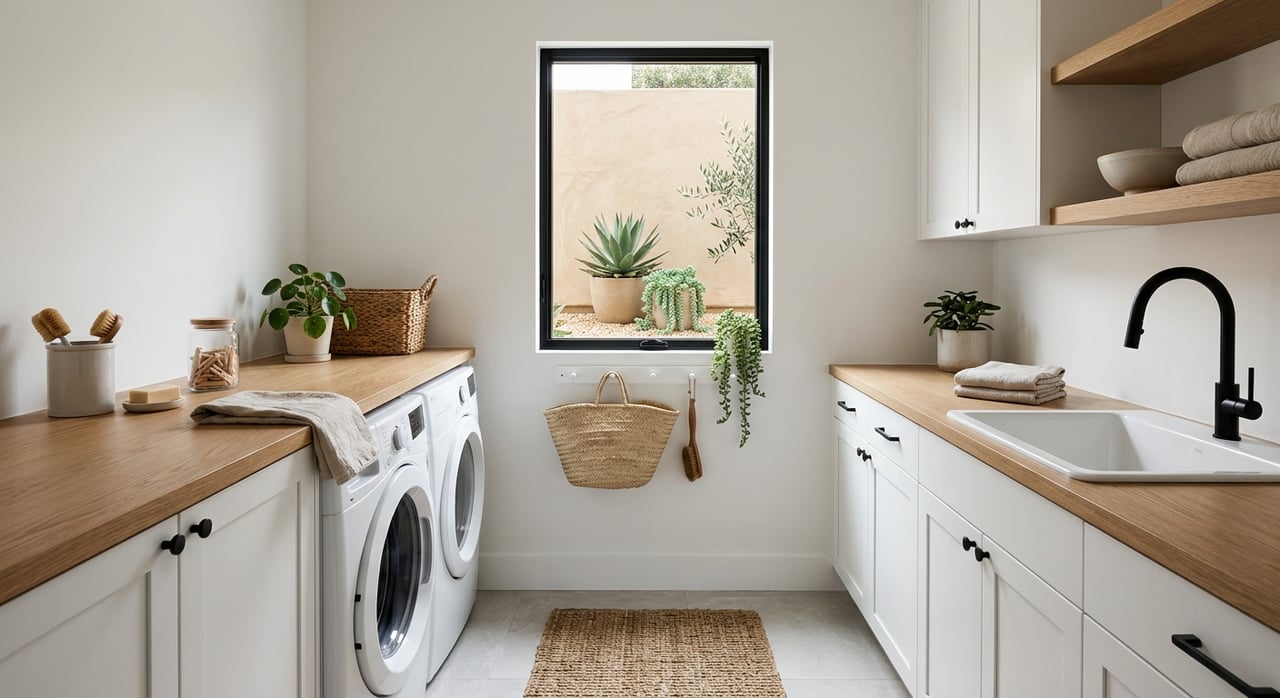
That means your prep plan should center on simple presentation. Fresh paint in worn areas, clean grout, repaired fixtures, and basic staging often create more value than highly personalized design choices. If buyers can picture themselves in the home, you are in a much stronger position.
A few practical interior priorities include:
- Neutral paint where colors feel too bold or tired
- Deep cleaning of kitchens and baths
- Repairing dripping faucets or loose handles
- Replacing burned-out bulbs with consistent lighting
- Removing extra furniture to improve flow
- Clearing countertops and personal items for photos and showings
In Point Loma, where buyers may be paying a premium for location, views, or neighborhood identity, they usually want the home’s condition to feel aligned with the asking price.
Consider a pre-listing inspection
One of the smartest ways to avoid escrow surprises is to gather information early. A pre-listing inspection can help you understand what a buyer’s inspector is likely to find, giving you more control over the timeline and repair decisions.
NAR’s consumer guidance notes that sellers may choose an inspection before listing so they have more information upfront, more control over repairs, and fewer surprises during negotiations. Common issues flagged during inspections can include structural or foundation concerns, drainage problems, HVAC issues, and safety items such as missing smoke or carbon monoxide alarms.
This can be especially useful in Point Loma if your home is older, has had prior repairs, or shows signs of coastal exposure. Instead of reacting under pressure once you are in contract, you can decide in advance what to fix, what to disclose, and what should simply be reflected in price.
Treat disclosures as part of prep
In California, disclosures are not something to rush through at the end. They are a central part of preparing your home for sale.
California Civil Code section 1102 applies to single-family residential transfers and states that the article cannot be waived. California also has a separate Natural Hazard Disclosure framework with its own required statement. For homes built before 1978, federal law requires disclosure of known lead-based paint information and a lead-hazard pamphlet before contract signing.
That means a smooth sale often starts with paperwork just as much as paint and staging. If you gather documents early, complete disclosures carefully, and identify any gaps before your home hits the market, you reduce the odds of delays and last-minute renegotiation.
Check permits before you list
Permit history can become a major issue if it is ignored until escrow. In Point Loma, this matters even more because of the area’s coastal context and the city’s permitting rules.
The City of San Diego reviews building plans and documents for compliance with safety, zoning, and land-use standards. It also has specific permit pathways for electrical, mechanical, plumbing, grading, and structural work. Some coastal-overlay projects may also require a Coastal Development Permit, depending on whether the property is in an appealable or non-appealable area.
If you have added or altered major features over time, it is worth checking what was permitted and what documentation you can support. That includes things like structural work, electrical upgrades, plumbing changes, and other significant improvements. Early review can help prevent buyer concerns, lender questions, or repair-credit demands later.
Use a practical pre-sale timeline
Most Point Loma sellers do better with a focused plan than a rushed burst of activity. A clear sequence helps you spend money where it matters and avoid doing work out of order.
A practical prep timeline often looks like this:
1. Start with a full walk-through
Review visible repairs, deferred maintenance, and presentation issues. At the same time, gather permit history, improvement records, and the information needed for disclosures.
2. Inspect and assess
If the home would benefit from a pre-listing inspection, use that information to separate cosmetic items from bigger concerns. This is where you decide what needs repair, what can be disclosed, and what should affect pricing.
3. Make selective upgrades
Complete the high-impact work first. Focus on paint, fixtures, exterior touch-ups, cleaning, and obvious wear that could distract buyers.
4. Stage and photograph
Once the home is clean and repaired, staging and photography can do their job. Strong visuals matter, especially in a coastal market where buyers expect polished online presentation.
5. Price against recent local comps
Finally, price the home against recent nearby comparable sales, not against broad county trends. In Point Loma, neighborhood identity and price band can shape buyer response just as much as square footage.
Avoid the two biggest seller mistakes
The first mistake is over-improving before you sell. It is easy to spend too much on projects that look impressive on paper but do not meaningfully improve your final result.
The second mistake is under-preparing and then giving money back during escrow. When visible wear, unclear permits, or inspection issues pile up, buyers often ask for credits or price reductions once they have leverage.
The sweet spot is usually in the middle. You want your home to feel cared for, priced appropriately, and supported by solid documentation. That is often what makes a Point Loma sale feel smooth from listing to closing.
If you are preparing to sell in Point Loma, a construction-informed strategy can help you decide what is truly worth fixing and what is better handled through pricing. When you pair that judgment with neighborhood-level market knowledge, you give yourself a better chance at a cleaner, more confident sale. If you want a practical plan tailored to your home, connect with Ben Smith.
FAQs
What home updates matter most before selling in Point Loma?
- In most cases, the highest-impact updates are visible cosmetic improvements such as fresh paint, cleaned surfaces, repaired fixtures, exterior touch-ups, and stronger curb appeal.
Should you get a pre-listing inspection for a Point Loma home?
- A pre-listing inspection can be very helpful, especially if your home is older, has coastal wear, or has had prior repairs, because it helps you find issues before buyers do.
Why do permits matter when selling a home in Point Loma?
- Permit history can affect buyer confidence and escrow timing, especially if past electrical, plumbing, mechanical, grading, or structural work cannot be clearly documented.
What disclosures are required when selling a home in California?
- California sellers typically need transfer disclosures under Civil Code section 1102, a separate Natural Hazard Disclosure statement, and lead-based paint disclosures for pre-1978 homes when applicable.
How long does it take to prepare a Point Loma home for sale?
- The timeline depends on your home’s condition, but a practical plan usually includes a walk-through, document gathering, possible inspection, selective repairs, staging, photography, and pricing before listing.