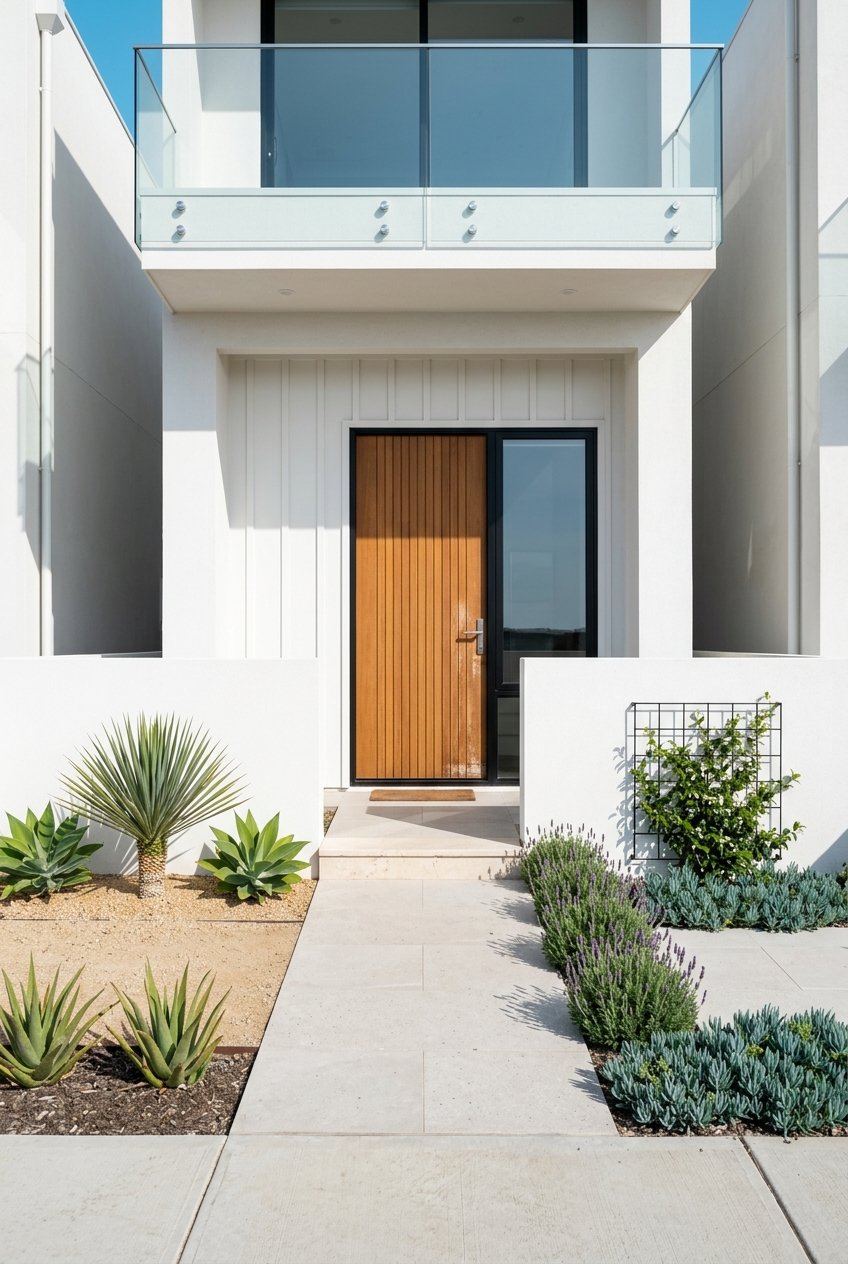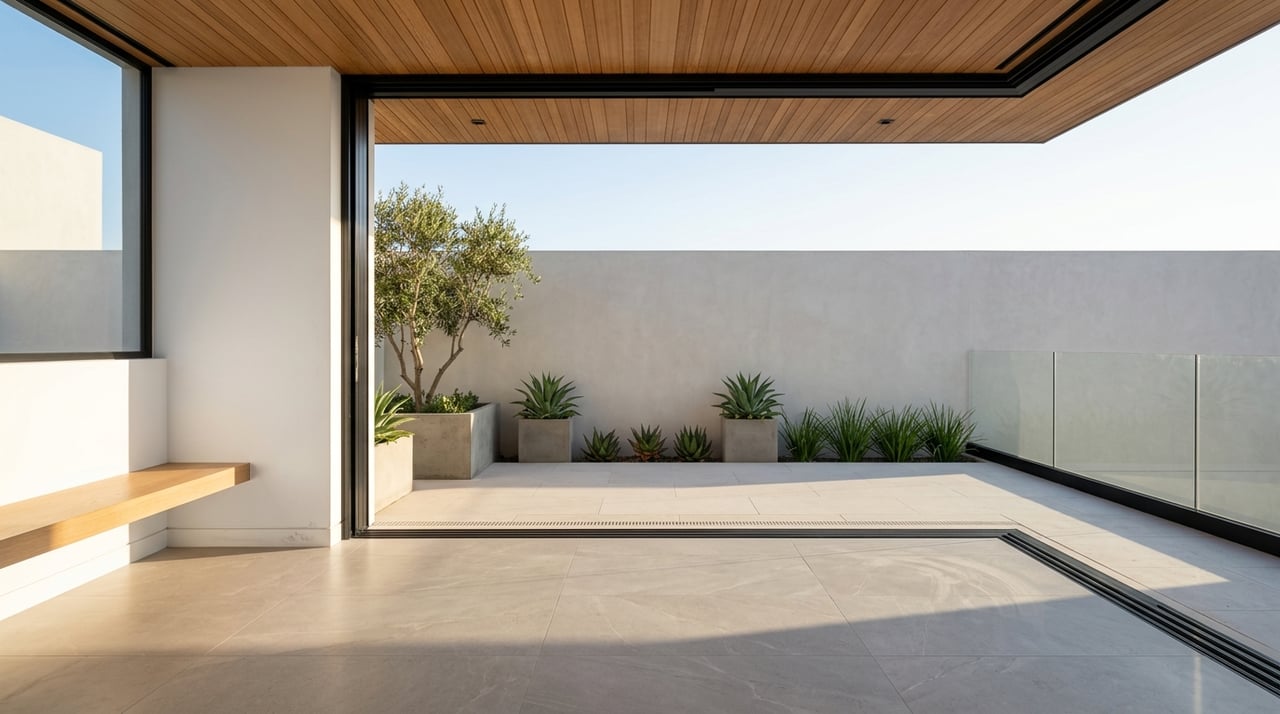
Thinking about buying a second home in Del Mar? You are not alone, and for good reason. This tiny coastal city packs a lot into a small footprint, but that also means every purchase comes with higher stakes, tighter inventory, and a few local rules you need to understand before you make an offer. If you want a clear picture of what matters most, from rental rules to remodel risk, this guide will help you make a smarter move. Let’s dive in.
Why Del Mar stands out
Del Mar is a very small coastal market with outsized demand. The city describes itself as a 2.2-square-mile seaside village that attracts more than 2 million visitors each year, and it is primarily made up of single-family neighborhoods with a small downtown commercial core and hotels.
For you as a second-home buyer, that matters in practical ways. A compact, visitor-heavy market often means limited inventory, strong lifestyle appeal, and ongoing competition for well-located properties. In a place like Del Mar, the right home is not just about square footage. It is also about how well it fits the way you plan to use it.
Understand Del Mar inventory and pricing
If you are shopping in Del Mar, expect a high-end market with a small number of available homes. As of June and July 2026, Zillow reported 25 homes for sale, 7 new listings, and a median list price of $5.47 million. Zillow’s home value index also put the typical home value at $3.83 million, up 7.2% year over year.
Redfin reported a median sale price of $4.3 million over the prior three months, with about 2 offers on average and a median of 26 days on market. That does not necessarily mean every home sells instantly, but it does show that desirable properties can still move quickly. If you are waiting for a perfect second-home opportunity, preparation matters.
What this means for buyers
In a small market, your choices may be limited at any given time. You may need to decide between location, views, condition, walkability, privacy, or renovation potential rather than finding a home that checks every box.
This is where a focused strategy helps. I recommend defining your top priorities before you tour too many homes, because in Del Mar, hesitation can cost you a strong fit and chasing every option can waste valuable time.
Define how you will use the home
Before you buy, get specific about what your second home needs to do for you. Will you use it mostly on summer weekends, for longer seasonal stays, or as a part-time base throughout the year?
Del Mar’s event calendar gives the area a seasonal rhythm. The city highlights events such as Summer Solstice, Twilight Summer Concerts, Taste of Del Mar, Santa by the Sea, the weekly Farmers Market, and racing seasons at the Del Mar Racetrack. The city also notes that the Village can be explored without a car, which adds to its appeal for lifestyle-driven buyers.
Features that matter for part-time owners
If you will not live in the home full-time, practical ownership details become more important. Many second-home buyers do best with a property that is easy to lock and leave, simple to maintain, and convenient to access when they arrive for a short stay.
Helpful features often include:
- Low-maintenance exterior spaces
- Straightforward parking
- Easy vendor access for service calls
- Secure entry and monitoring options
- Systems that can be shut down or managed between visits
In Del Mar, ownership is not only about enjoying the home while you are there. It is also about how smoothly the property operates when you are away.
Plan for maintenance from day one
Part-time ownership works best when you have a plan for regular upkeep. In a coastal setting with beachfront exposure and steady visitor activity, the operational side of ownership can matter almost as much as the home’s layout or finishes.
You should think through who will check on the property between visits and how routine service will be handled. That includes landscaping, pool care, HVAC maintenance, and general property monitoring. A beautiful second home can become stressful quickly if it is hard to manage remotely.
Ask these questions before you buy
As you evaluate a property, consider:
- How will the home be monitored when vacant?
- Are outdoor areas simple or time-intensive to maintain?
- Will salt air, wind, or exposure increase upkeep?
- Is there a realistic plan for service vendors and repairs?
- Can the home be secured and closed up safely for stretches of time?
These are not glamorous questions, but they can shape your ownership experience more than buyers expect.
Know Del Mar short-term rental rules
If you are hoping to rent the home when you are not using it, this is one of the most important parts of your due diligence. Del Mar’s short-term rental rules are a major consideration for second-home buyers.
The city says its Short-Term Rental Regulations Ordinance was adopted on September 23, 2024, and certified by the California Coastal Commission on February 5, 2026. The ordinance covers visitor lodging of 30 consecutive days or less, accommodates existing short-term rentals, and places new short-term rental permits under a citywide cap of 129 units with a waitlist for new owners.
Why rental assumptions can go wrong
A lot of buyers see Del Mar’s visitor demand and assume occasional rental income will be easy. The reality is more regulated. If the property does not fit the city’s rules, or if a new permit is not available, your short-term rental strategy may not work the way you expected.
The city also requires short-term rental owners to remit transient occupancy tax, and the current TOT rate is 13%. That means you should underwrite carefully and avoid making an offer based on income assumptions that have not been verified.
Be realistic about long-term rental income
Del Mar does have meaningful rental demand, but that does not mean every second home makes sense as a backup rental property. Zillow’s rental data showed an average rent of $12,997 as of July 17, 2026, with a noticeable seasonal pattern that rises into summer.
The same rental market data showed asking rents around $8,000 in winter months and $14,556 in July 2026. That range suggests demand exists, but it also shows why seasonality matters. If you are modeling cash flow, be conservative and account for permit limits, carrying costs, vacancy assumptions, and property-specific restrictions.
Do not assume primary-residence tax treatment
A second home usually will not receive the same local property tax exemption as a primary residence. San Diego County states that the Homeowners’ Exemption applies only when the property is declared and occupied as the owner’s principal residence.
Because the exemption is tied to primary occupancy, a second home generally will not qualify. This is one of those areas where buyers can make costly assumptions, so it is smart to confirm your tax and financing strategy with your lender and CPA before you close.
Evaluate remodel potential carefully
In Del Mar, you should not assume a remodel will be simple just because a home looks like it has upside. The city says most exterior improvements require design review before a building permit is issued, and building plans must be reviewed by the Planning Department before permit processing moves forward.
The city’s development guides also note that some projects may require a Coastal Development Permit, Floodplain Development Permit, or Land Conservation Permit. If your second-home plan includes additions, exterior changes, or a value-add renovation, evaluate the approval path early.
Why renovation strategy matters
This is where practical property insight can save you time and money. A house may have clear cosmetic upside, but if your plan depends on exterior expansion, layout changes tied to the building envelope, or regulated site work, the process can become more involved than expected.
I always recommend looking at renovation potential through both a design lens and a process lens. In Del Mar, the question is not only what you want to build. It is also what the city may require before that work can happen.
Watch for coastal risk factors
Some Del Mar properties deserve extra scrutiny because of their coastal setting. The city’s sea-level-rise planning identifies beachfront, beach-area, and bluff-top residences, North Beach, and the 1.5-mile coastal bluff and rail corridor as areas potentially vulnerable to sea-level rise, storm surge, erosion, and coastal flooding.
The city also notes that FEMA mapping changed the flood map designation for beachfront homes in the North Beach area. That can affect flood insurance requirements as well as future development design and siting.
Due diligence items to review
Before you move forward on a coastal property, review:
- Bluff stability considerations
- Drainage conditions
- Flood exposure
- Insurance quotes
- Permit history
- Any renovation assumptions tied to the site
These issues do not automatically make a property a bad buy. They do mean you should go in with clear eyes and a realistic understanding of risk, cost, and future flexibility.
Think carefully about ADUs and additions
If part of your plan is to add an ADU or expand the property, treat that as a regulated project from the start. Del Mar publishes ADU resources and citywide design guidelines, which is a reminder that even smaller improvement ideas move through a formal planning framework.
For a second-home buyer, the real question is not just whether an addition might be possible. It is whether the time, cost, and review process align with how you actually plan to use the property.
A smart second-home strategy for Del Mar
The best second-home purchases in Del Mar usually start with clarity. You need to know whether you are buying primarily for personal use, occasional rental income, long-term appreciation, or a future renovation play.
Once that is clear, you can weigh the right tradeoffs. A turnkey home may fit a true lock-and-leave lifestyle better than a project. A home with upside may look attractive, but only if the improvement path, carrying costs, and local rules support your plan.
In a market this small and this specialized, strong decisions come from local knowledge and disciplined due diligence. If you want help evaluating Del Mar opportunities, renovation potential, or off-market options, Ben Smith can help you build a practical game plan that fits how you want to own and use the property.
FAQs
Can you use a Del Mar second home as a short-term rental?
- Only if the property fits Del Mar’s short-term rental rules. New permits are subject to a citywide cap of 129 units and a waitlist for new owners, and short-term rental owners must remit a 13% transient occupancy tax.
Does a Del Mar second home qualify for the San Diego County Homeowners’ Exemption?
- Generally no. San Diego County says the exemption applies only to a property that is declared and occupied as the owner’s principal residence.
Is remodeling a second home in Del Mar usually straightforward?
- Not always. The city says most exterior improvements require design review before a building permit is issued, and some projects may also require coastal, floodplain, or land conservation permits.
Which Del Mar properties need extra coastal due diligence?
- Beachfront, bluff-top, beach-area, and North Beach properties deserve added scrutiny because the city identifies these areas as potentially vulnerable to sea-level rise, storm surge, erosion, and coastal flooding.
Is Del Mar a small housing market for second-home buyers?
- Yes. Del Mar is a compact coastal city with limited inventory, and recent market snapshots showed only a few dozen homes for sale, which can make selection tighter and competition more focused.