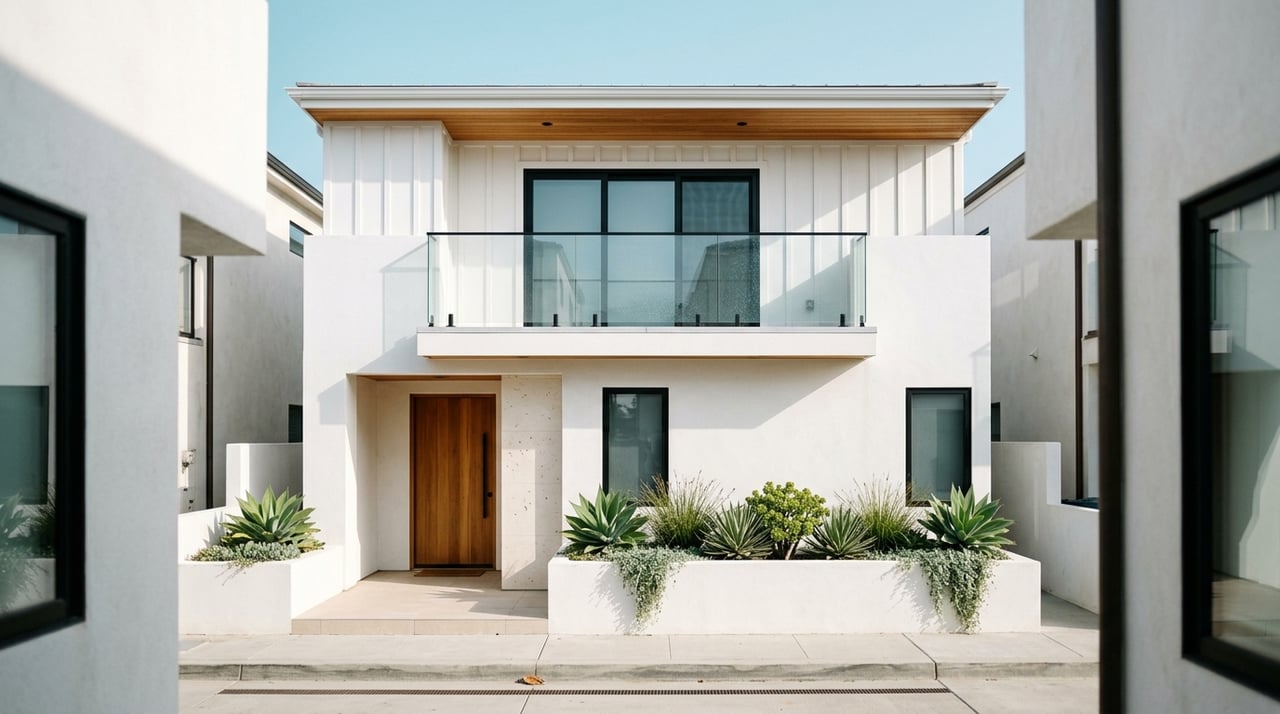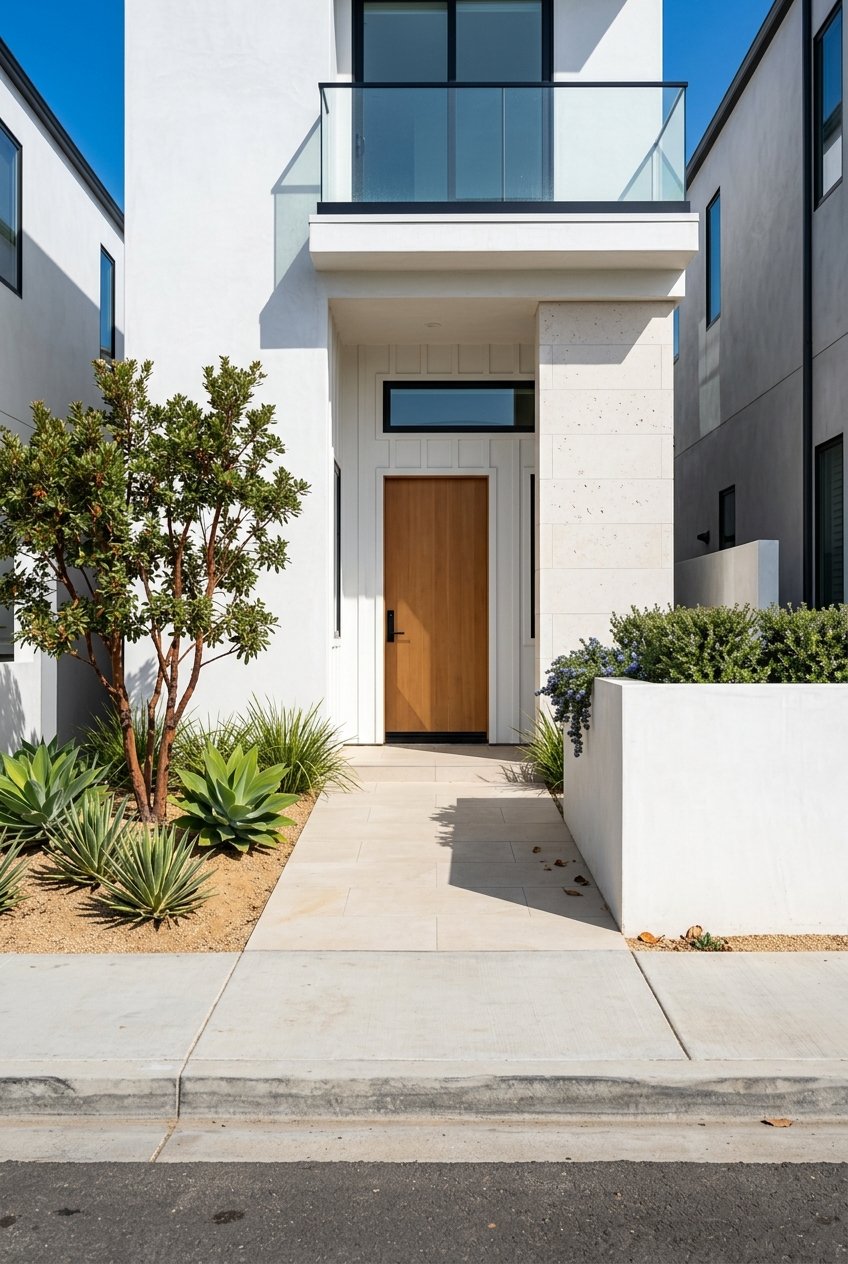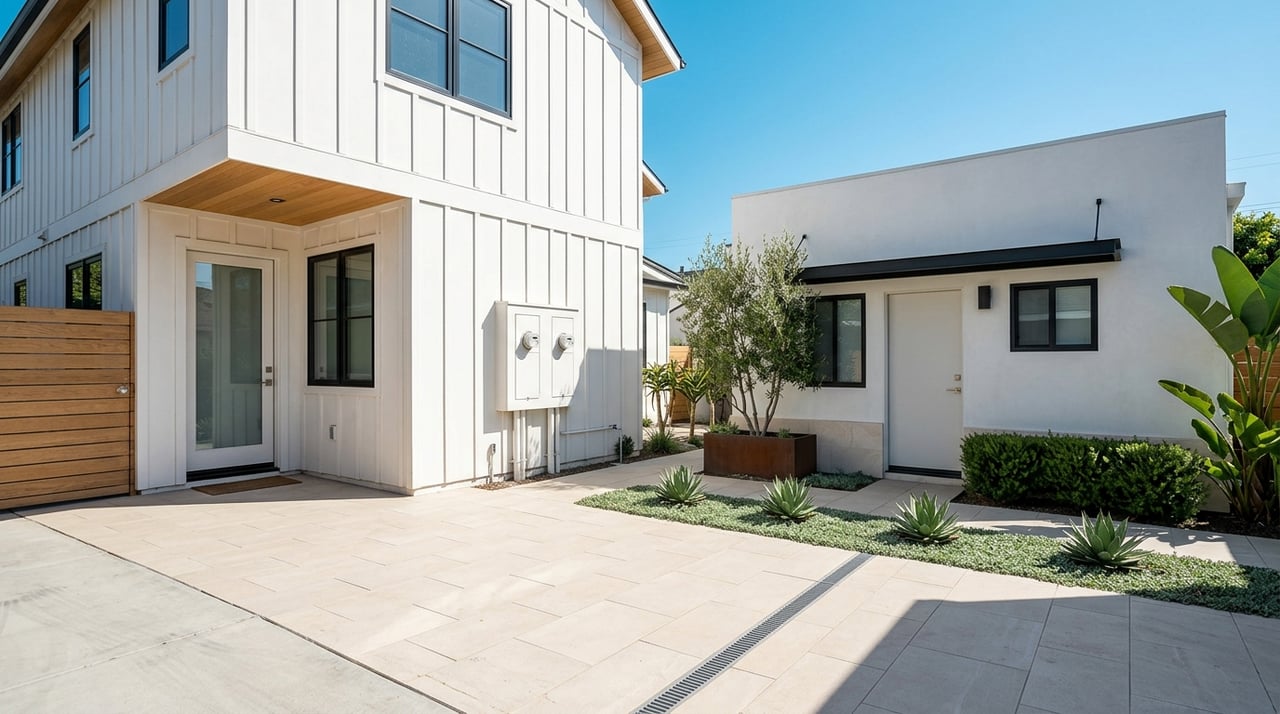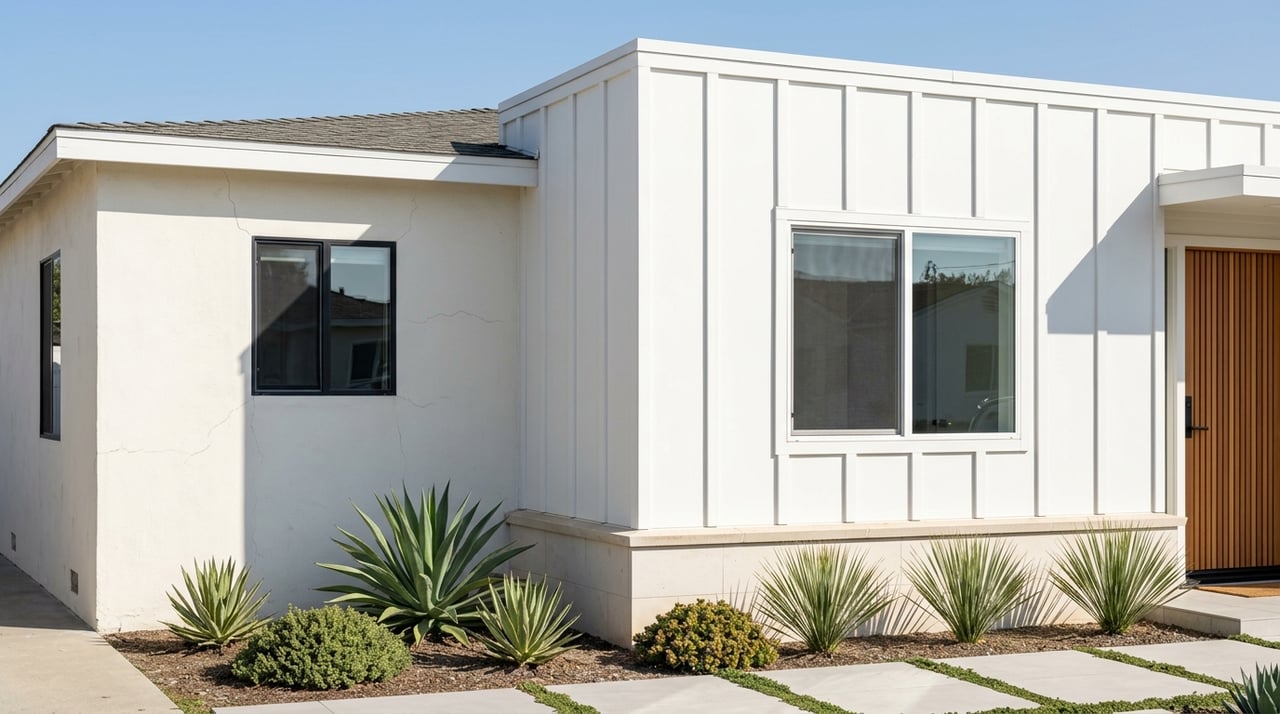
Wondering whether a fixer-upper or a new build makes more sense in Encinitas? You are not alone. In this market, the choice is about more than style or budget. Coastal rules, permit timelines, lot quality, and long-term risk can all shape the real cost of the home you buy. If you want to make a smart move with fewer surprises, this guide will help you weigh both paths clearly. Let’s dive in.
Why this choice is different in Encinitas
In Encinitas, buying a project is not the same as buying a project in a typical inland market. The city’s Local Coastal Program has been in place since 1995, and much of Encinitas lies within the coastal zone. That matters because development in the coastal zone generally may not begin until a coastal development permit has been issued by the proper authority.
That means your decision is not just fixer versus turnkey. It is also about whether the home’s location and your renovation scope could trigger a more involved approval path. In many cases, the lot, the coastal setting, and the existing structure matter just as much as the square footage.
When a fixer-upper can make sense
A fixer-upper can be a smart entry point if you want Encinitas location first and are comfortable improving the home over time. This is often most appealing when the home needs mostly interior updates rather than a major structural overhaul.
Encinitas policy PB-200 creates an important line for buyers. Interior remodels of an existing legal dwelling with no new floor area are generally exempt from coastal development permit review. But that exemption can disappear if the work removes more than 50% of the structure’s exterior walls, happens between the ocean and the first public road, or involves areas near coastal bluffs or other sensitive locations.
That is why a cosmetic fixer can be much more manageable than a full-gut renovation. On paper, both may look like “fixers.” In practice, one may be a straightforward remodel and the other may start to function more like a rebuild.
Best-case fixer scenario
The strongest fixer-upper opportunity in Encinitas usually looks like this:
- A well-located older home on a desirable lot
- Mostly interior improvements
- No major increase in floor area
- No coastal bluff or sensitive-site complications
- A buyer who wants upside and can manage some renovation work
If the scope stays focused, you may gain value without taking on the full cost and timeline of new construction.
Where fixer budgets can grow fast
Renovation costs can rise quickly, even before you factor in permits and carrying costs. In Houzz’s 2025 U.S. Houzz & Home Study, homeowners reported a median renovation spend of $20,000 in 2024, while the top 10% spent $140,000 or more. The same research shows large kitchen remodels at $55,000 and large bathroom remodels at $25,000.
Budget growth often comes from scope changes, more expensive materials, and hidden complexity. That risk becomes more real in older homes, where conditions behind walls are unknown until work begins. If you are buying an older Encinitas cottage or tract home, it is smart to assume that the final cost may be higher than the first estimate.
When a new build or rebuild makes sense
A new build or recently rebuilt home is often the better fit if you want predictability. You may pay more upfront, but many of the unknowns are already baked into the purchase price rather than showing up after closing.
This path can also make sense when the lot is the true asset. In Encinitas, land scarcity is a real factor, and the city has acknowledged available land as a major constraint to housing construction. That helps explain why some buyers focus less on the current house and more on what a site can support over the long term.
The true cost of building new
A new build does not simply trade renovation costs for a clean slate. It shifts spending toward compliance, engineering, site preparation, and fees. Encinitas’ new-construction permit application can require Title 24 energy compliance, stormwater documentation, a construction and demolition debris-waste plan, housing-tracking forms, boundary certification when needed, and sometimes a geotechnical report.
The fee stack can also be broader than many buyers expect. Depending on the project, permit fees may include school fees, housing in-lieu fees, climate-action fees, RTCIP, water, traffic impact, flood-control, sewer fees, and park development impact fees before certificate of occupancy for certain new construction.
In other words, new construction can offer certainty in the finished product, but it rarely means a simple path.
Why a major remodel can become a rebuild
This is one of the biggest decision points in Encinitas. If your remodel removes more than 50% of the exterior walls, you may trigger coastal development permit review under PB-200. Once that happens, the practical gap between a remodel and a rebuild may shrink quickly.
That is why I recommend looking at projects through a realistic lens. If the home needs extensive structural work, layout changes, site work, and permit review, the “cheaper fixer” may not stay cheaper for long.
Encinitas permit timelines matter
In this market, time has a cost. Encinitas says permit review fees are assessed when you apply and must be paid before plan check review starts. CSS registration is approved within 24 business hours, trade permit reviews usually take 7 to 10 days, and larger projects are subject to a 30-day review time.
That may sound manageable, but bigger projects often involve multiple moving parts. Plan checks are valid for one year from the date of application, and permits must show progress through an inspection within 180 days of issuance or they expire. If your project stalls, the timeline itself can become a problem.
Added studies and plan-check costs
For additions and larger remodels, Encinitas may require more than basic plans. The city’s guidance notes that a geotechnical report can be required if the work is next to a slope or exceeds 500 square feet, along with Title 24 paperwork, stormwater documents, and debris-management forms.
Residential engineering plan-check fees are also tiered by project size. The current fee schedule lists $522 for 500 to 2,000 square feet, $778 for 2,000 to 5,000 square feet, and $1,055 for more than 5,000 square feet, before other departmental or mitigation fees. Those costs may not break a project on their own, but they are part of the real budget.
Coastal risk should shape your decision
Not every Encinitas property carries the same risk profile. The city notes that coastal erosion is a natural process that can worsen with sea-level rise, destabilize upland structures, and lead to bluff failure or collapse. Homes near bluffs or the shoreline should be viewed differently from inland homes.
This does not mean coastal properties are off the table. It means you should evaluate them with more care. Site location, setback realities, stormwater issues, and erosion exposure can affect both renovation plans and long-term ownership.
Why location can outweigh finishes
In Encinitas, the strongest value case is often about the site itself. Because land is limited and coastal rules shape what can be built, a well-located older home may offer strong long-term appeal even if the finishes are dated.
That is why some buyers do best with a light cosmetic renovation, while others choose a newer or recently rebuilt home to avoid uncertainty. The better option depends on whether you are trying to maximize upside, minimize risk, or strike a balance between the two.
Which option fits your goals?
The right answer usually depends on how much uncertainty you are willing to manage.
Choose a fixer-upper if you want:
- A lower entry point into Encinitas
- A chance to build value through selective updates
- Mostly interior renovation work
- More control over finishes over time
- A property where the lot and location already work for you
This path is often strongest when the work stays cosmetic or modest in scope.
Choose a new build or recent rebuild if you want:
- A cleaner move-in path
- More predictable condition and systems
- Current-code construction
- Fewer hidden renovation surprises
- Less day-to-day project management after closing
This route usually makes the most sense for buyers who value certainty and convenience over renovation upside.
The resale angle in Encinitas
If future resale matters, selective improvements often have the strongest logic. NAR’s 2025 Remodeling Impact Report found that a new steel front door had 100% cost recovery, closet renovation 83%, fiberglass front door 80%, vinyl windows 74%, wood windows 71%, complete kitchen renovation 60%, minor kitchen upgrade 60%, and bathroom renovation 50%.
That suggests a useful lesson for Encinitas buyers. If you buy a fixer, visible and practical updates may be the safer play than an expensive luxury overhaul. The same report also says 46% of buyers are less willing to compromise on a home’s condition than in the past, which helps explain why fresh, functional improvements can change buyer perception.
My practical take for Encinitas buyers
If you are choosing between a fixer-upper and a new build in Encinitas, start with the lot, the scope, and the permit path. A cosmetic fixer can be a strong buy when the work stays mostly interior and the property avoids major coastal complications. A full-gut project can still make sense, but only if you go in expecting more review, more paperwork, and more budget exposure.
If your priority is lifestyle with fewer unknowns, a newer or recently rebuilt home is often the easier answer. If your priority is buying into a great Encinitas location and creating value carefully, a fixer may be the smarter one. The right call is the one that matches your timeline, risk tolerance, and long-term plan.
If you want help evaluating the real upside of a fixer versus the true cost of certainty, Ben Smith can help you compare options with practical, construction-informed guidance and local Encinitas insight.
FAQs
Can an Encinitas interior remodel avoid a coastal permit?
- Sometimes yes. Interior remodels of an existing legal dwelling with no new floor area are generally exempt under Encinitas policy PB-200, but exceptions can apply near coastal bluffs, sensitive areas, or certain coastal locations.
Is a fixer-upper in Encinitas always cheaper than a new build?
- No. In Encinitas, coastal permit triggers, engineering requirements, fees, and timeline risk can narrow the cost gap quickly, especially if the project becomes more than a cosmetic remodel.
What type of Encinitas fixer is usually the safest bet?
- A cosmetic fixer is often the safest path when the home is well located and the work can stay mostly interior without major structural changes or added floor area.
Do Encinitas new builds have more fees than remodels?
- Often yes. New construction may involve a wider group of fees, including school, housing in-lieu, climate-action, water, sewer, traffic impact, flood-control, and park development fees depending on the project.
What improvements tend to help resale most after buying a fixer?
- Modest, visible updates often make the most sense, such as front doors, windows, closet improvements, kitchen refreshes, and basic bathroom updates rather than a high-end luxury overhaul.