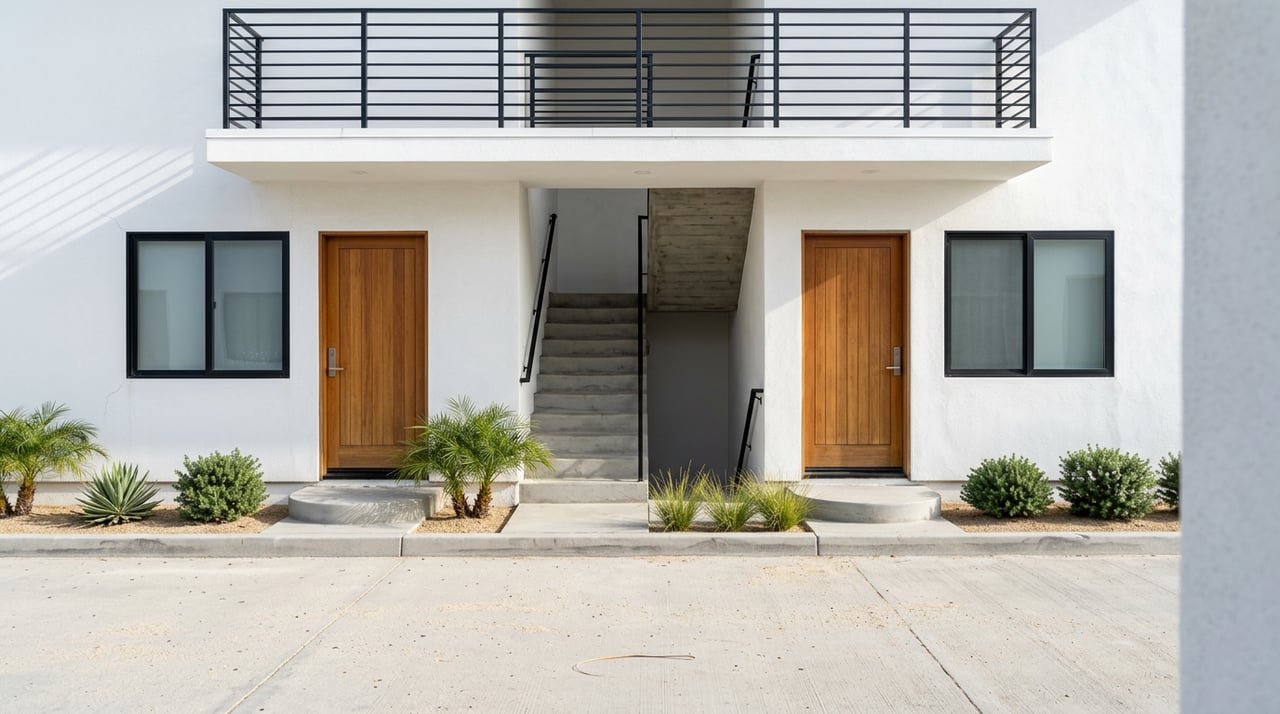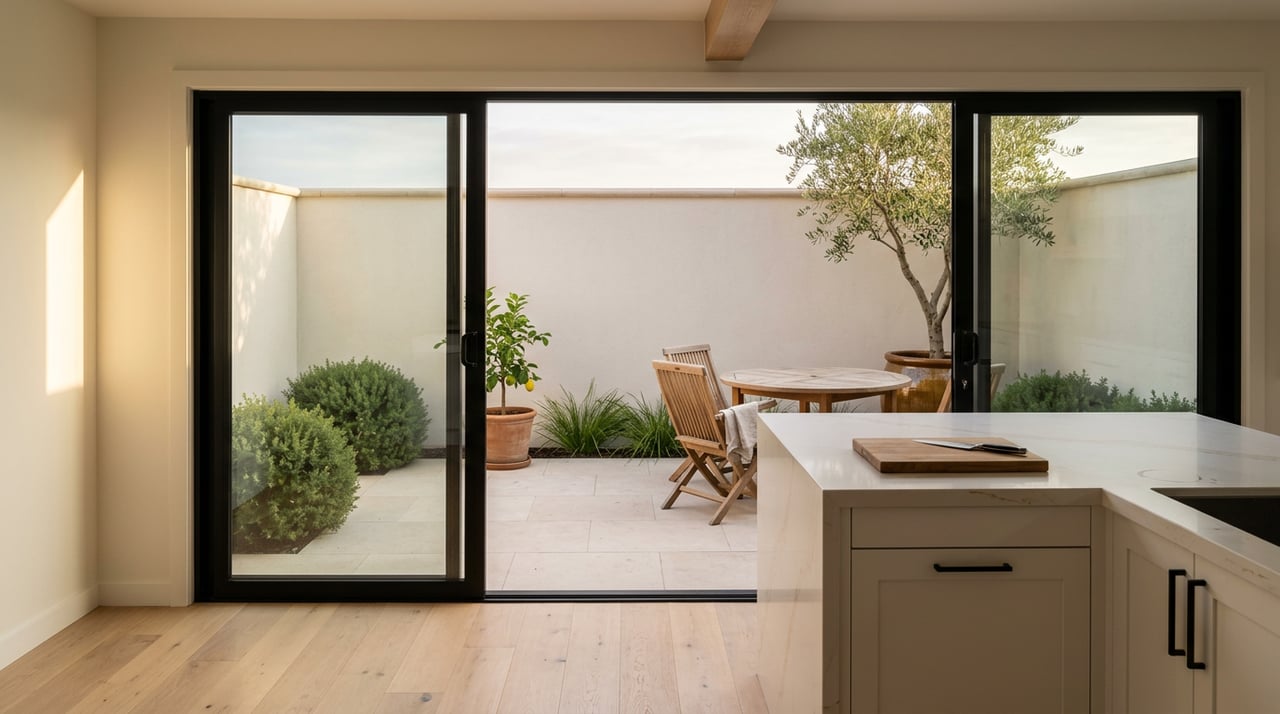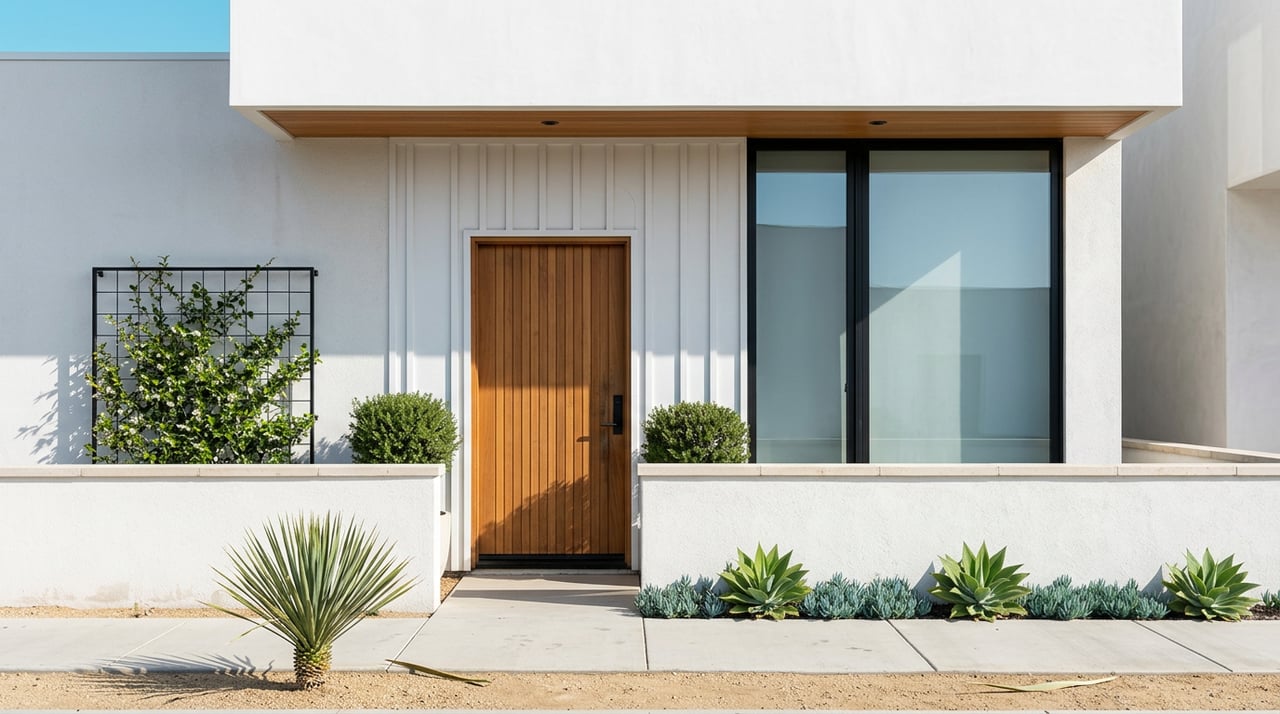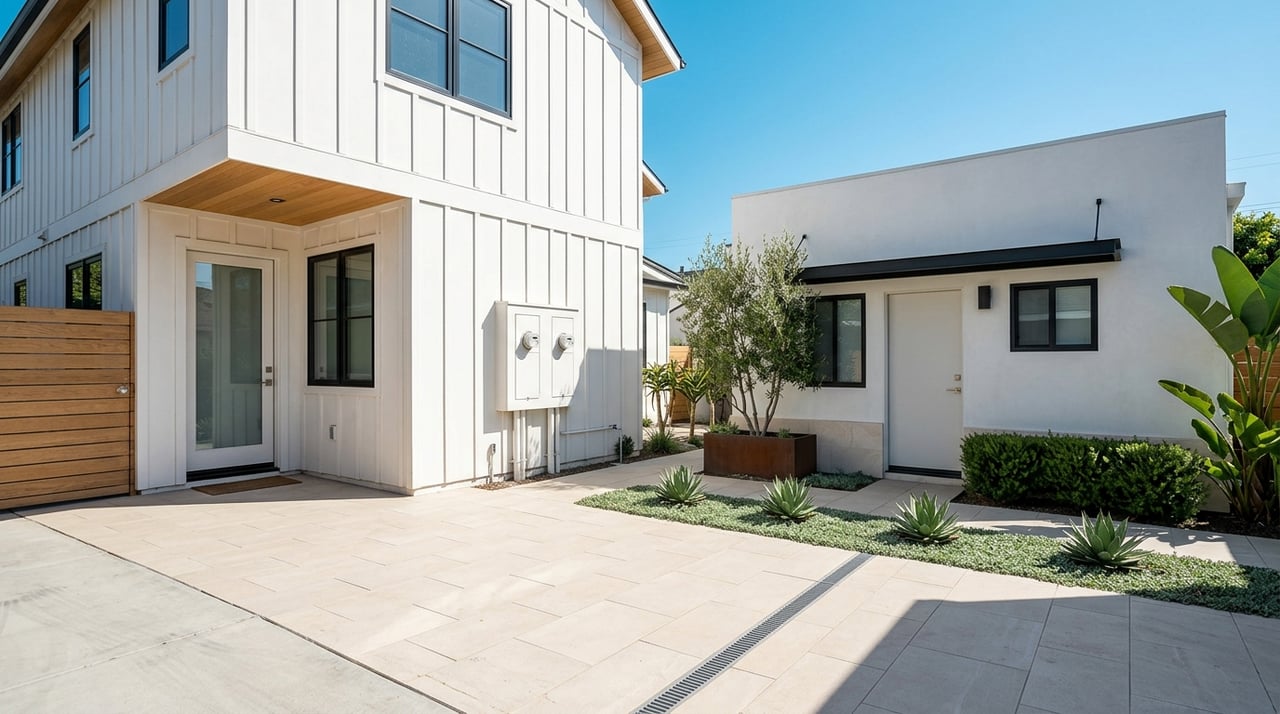
Thinking about adding an ADU or creating a duplex opportunity in Point Loma? It can be a smart way to add flexibility, rental potential, and long-term value, but this is not a plug-and-play market. Point Loma is a coastal, parcel-specific area where zoning, coastal overlay rules, and site conditions can change the path quickly. If you understand the basics before you buy or build, you can make much better decisions. Let’s dive in.
Why Point Loma Is Different
Point Loma is part of San Diego’s Peninsula community plan area, which includes neighborhoods such as Loma Portal, Roseville, Sunset Cliffs, Wooded Area, and La Playa. For owners and buyers, that matters because projects here should be viewed through a coastal lens, not like a standard inland infill project.
The biggest takeaway is simple: you need to verify the parcel first. In Point Loma, zoning can vary lot by lot, so your starting point should be the city’s zoning and parcel review tools, along with a close look at the project’s permit path.
ADU Basics in Point Loma
San Diego’s current ADU rules generally allow an accessory dwelling unit to be attached or detached up to 1,200 square feet. A junior ADU, or JADU, can be up to 500 square feet. On a lot with an existing or proposed single-family home, the city generally allows one ADU and one JADU, and both require a building permit under the city’s ADU information bulletin.
That sounds straightforward, but Point Loma adds another layer. Because much of the area is within the Coastal Overlay Zone, some ADU rules do not apply the same way they might in other parts of San Diego. In the coastal zone, an ADU or JADU that is not fully contained within the existing primary structure, adds habitable area, or converts non-habitable space can require a Coastal Development Permit.
The city also notes that coastal-zone ADU rules can differ on setbacks, landscaping, and in some cases parking. That means a project that looks simple on paper may still need more review than you expect.
When an ADU May Be the Easier Option
For many Point Loma owners, an ADU or JADU is often the more practical first option than trying to force a duplex strategy. That is especially true if you already have a single-family home and want to add legal living space without changing the entire site plan.
In general, ADUs tend to work best when you are:
- Converting existing space
- Adding a smaller detached unit
- Creating guest or rental flexibility
- Trying to preserve the main home’s layout and use
Duplex Options Under SB 9
If you are thinking beyond an ADU, San Diego’s SB 9 bulletin lays out the city’s duplex-style pathways on eligible parcels. SB 9 can allow up to two dwelling units on one lot in certain single-dwelling-unit zones, and it can also allow an urban lot split on qualifying parcels.
In some cases, a project can combine an urban lot split with up to two units on each resulting lot, for a total of no more than four units across the original site. But there is an important tradeoff: if you use the lot-split path, ADUs and JADUs are not allowed.
This is where many owners get tripped up. SB 9 is a real opportunity, but it is not a blanket duplex approval for every Point Loma property. Parcel eligibility, zone type, lot layout, and coastal constraints still matter.
Duplex Strategy Is About Entitlement
San Diego’s planning framework generally supports smaller-scale housing formats like duplexes, townhomes, and similar “neighborhood homes,” as described on the city’s Neighborhood Homes page. But support at the policy level does not mean every lot pencils the same way.
In Point Loma, I would treat a duplex or SB 9 project as an entitlement strategy first and a building project second. Before you get too far into design ideas or construction pricing, you want to know whether the parcel actually qualifies and whether coastal review could change the timeline.
Coastal Review Can Change the Timeline
One of the most important things to understand in Point Loma is that coastal location can push a project out of a simple ministerial path. The city notes that discretionary review may still be required when a project is in the Coastal Zone or departs from zoning standards, as outlined on the city’s discretionary permit page.
That matters because entitlement risk affects both timing and cost. A property that looks like a clean ADU or duplex candidate online may become more complicated if it has coastal review issues, site constraints, or topography challenges.
Utility and Fee Issues to Budget For
Construction cost is only part of the equation. In Point Loma, utility work and city fees can move your budget more than many buyers expect.
State guidance summarized in San Diego’s ADU handbook says converted-space ADUs and JADUs generally cannot be charged a new or separate utility connection or related capacity fee unless they are built with a new single-family home. For other ADUs, a separate connection may still be required, but fees must be proportionate to the burden of the unit.
San Diego also notes that all water and fire service connections to the main, along with water meter installations, are handled by the city’s Public Utilities Department under Information Bulletin 166. Property owners are responsible for the water system from the meter onward and for the sewer lateral from the property to the main. If water pressure exceeds 80 psi, a pressure regulator is required.
Fee Rules to Know
The city’s facilities planning FAQ explains that ADUs under 750 square feet are exempt from Development Impact Fees, and the first two ADUs on a property are exempt regardless of size. The city also notes that ADUs and JADUs are still subject to school fees, and projects with more than one ADU can trigger RTCIP fees, according to the city’s ADU fee FAQ.
That is why I recommend underwriting in layers, not with one flat permit number. Between building review, utility work, school fees, and possible coastal review, your total soft costs can vary quite a bit.
What ADUs and Duplexes May Cost
Recent 2026 builder estimates in San Diego place typical ADU costs at roughly $180,000 to $400,000, or about $250 to $400 per square foot, according to a local San Diego ADU cost guide. Garage conversions tend to come in at the lower end, while detached new construction tends to be at the higher end.
A separate estimate in that same guide suggests permit and fee costs can land around $3,000 to $12,000, though actual totals can shift depending on unit size, utility work, and city review. In Point Loma, it is smart to expect three broad cost buckets:
- Hard construction costs
- City and utility fees
- Contingency for coastal or site-specific issues
For many coastal properties, that contingency matters more than people think. Older lots, access limitations, mature infrastructure, and overlay rules can all affect the final budget.
Rental Income Expectations in Point Loma
If you are adding a unit for income, the rental side is attractive enough to deserve serious attention. Current market data from Realtor.com rental trends shows median rents around $2,611 in ZIP code 92106 and $3,495 in 92107, with Point Loma Peninsula submarket medians around $3,195 in 92106 and $3,285 in 92107.
Based on the neighborhood and ZIP-level data in the research, a practical underwriting band for smaller legal units in Point Loma is about $2,200 to $3,500 per month. Premium locations, larger duplex-style units, or especially polished finishes may push above that range, but that is not something to assume without property-specific analysis.
Think Equity First, Cash Flow Second
This is the part many owners miss. In Point Loma, the stronger long-term case for an ADU or duplex is often equity creation plus optional income, not purely near-term cash flow.
Current market data in the research places Point Loma Peninsula home values roughly in the $1.35 million to $1.55 million range in the 92106 and 92107 submarkets, while rents remain in the low-to-mid $3,000s. That relationship suggests added units can improve flexibility, resale appeal, and long-term wealth building, even if they do not create huge short-term yield.
How Long the Process May Take
San Diego’s permit timeline dashboard currently shows a building-permit issuance queue of about 2 business days, but that does not mean every Point Loma project gets approved in days. Intake and review times still depend on completeness, project type, and workload.
The city also notes that applications using preapproved ADU plans are subject to a 30-day review. In practice, builder-facing estimates in San Diego still commonly put detached ADUs at around 6 to 12 months from design to move-in, while garage conversions may take closer to 3 to 5 months.
In other words, you should plan for a process, not a quick permit shortcut.
A Smart Point Loma Game Plan
If you are evaluating a property for an ADU or duplex, the best next step is not to start with sketches. It is to start with parcel verification, zoning review, and a realistic budget model.
A smart process usually looks like this:
- Verify zoning and parcel eligibility.
- Confirm whether the property is in the Coastal Overlay Zone.
- Compare ADU, JADU, and SB 9 options for that specific lot.
- Estimate utility upgrades, fees, and review requirements.
- Underwrite rent and resale upside conservatively.
That kind of upfront work can save you from overpaying for a property that looks promising but has a tougher entitlement path than expected.
If you are buying, selling, or evaluating a value-add property in Point Loma, working with someone who understands both the neighborhood and the construction side can make a big difference. For practical guidance on Point Loma opportunities, connect with Ben Smith.
FAQs
What should you verify before adding an ADU in Point Loma?
- You should verify the parcel’s zoning, coastal overlay status, and whether the project may require a Coastal Development Permit.
Can you build a duplex on any Point Loma lot?
- No. Duplex-style projects under SB 9 only apply to eligible parcels and still depend on zoning, lot conditions, and possible coastal review.
How big can an ADU or JADU be in San Diego?
- San Diego’s current bulletin says an ADU can be up to 1,200 square feet and a JADU can be up to 500 square feet.
Do Point Loma ADU projects always need new utility connections?
- No. Converted-space ADUs and JADUs generally cannot be charged a new or separate utility connection fee unless they are built with a new single-family home, though monthly utility charges can still apply.
Are ADUs in San Diego exempt from all fees?
- No. Some ADUs are exempt from Development Impact Fees, but ADUs and JADUs can still be subject to school fees and other project-related costs.
What rental income might a Point Loma ADU produce?
- Based on current local rent data in the research, a reasonable underwriting range for smaller legal units is about $2,200 to $3,500 per month, depending on size, location, and finish level.