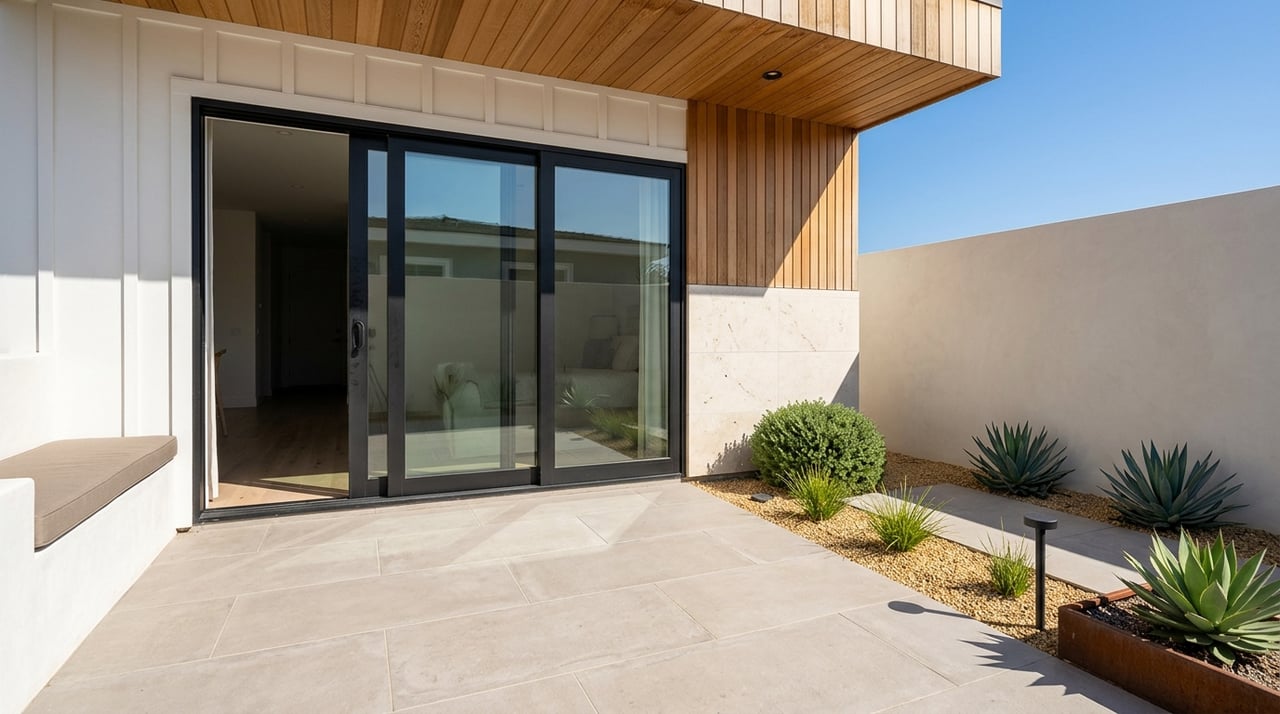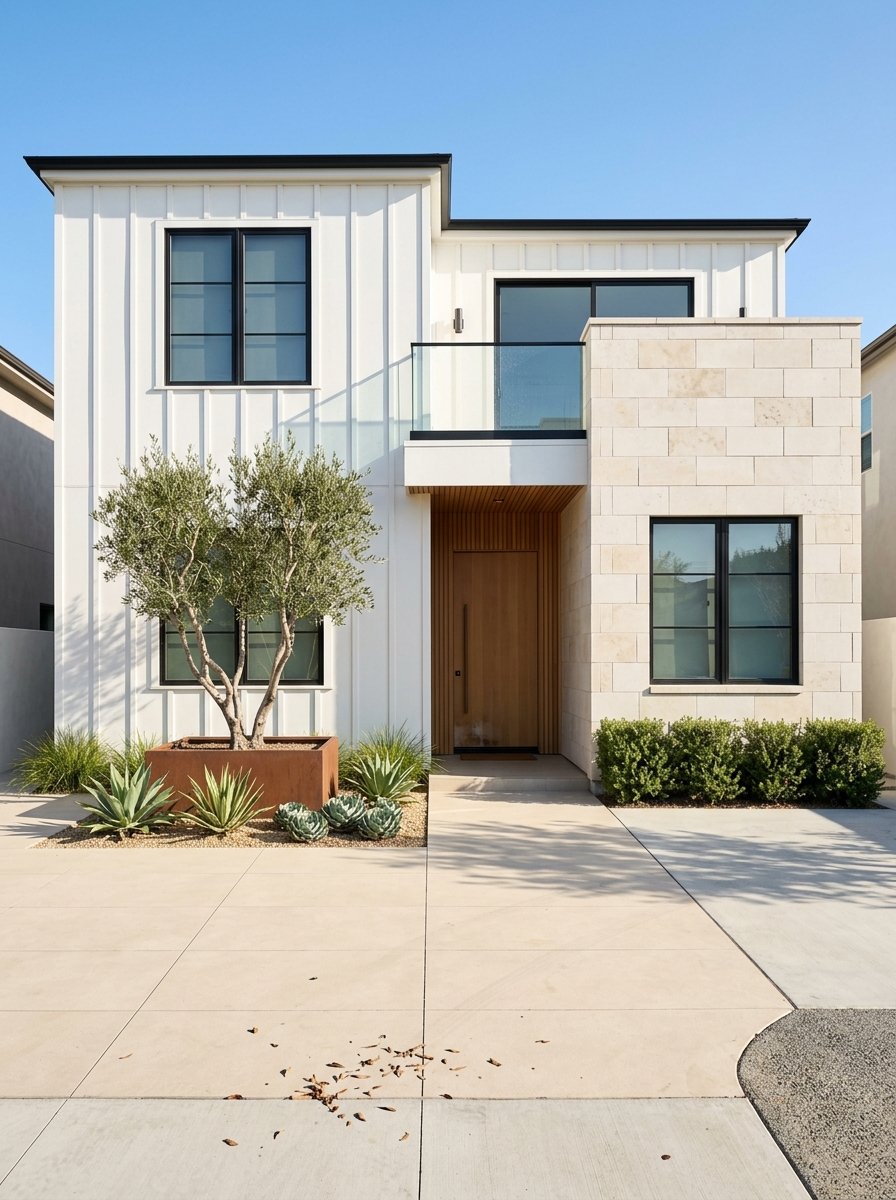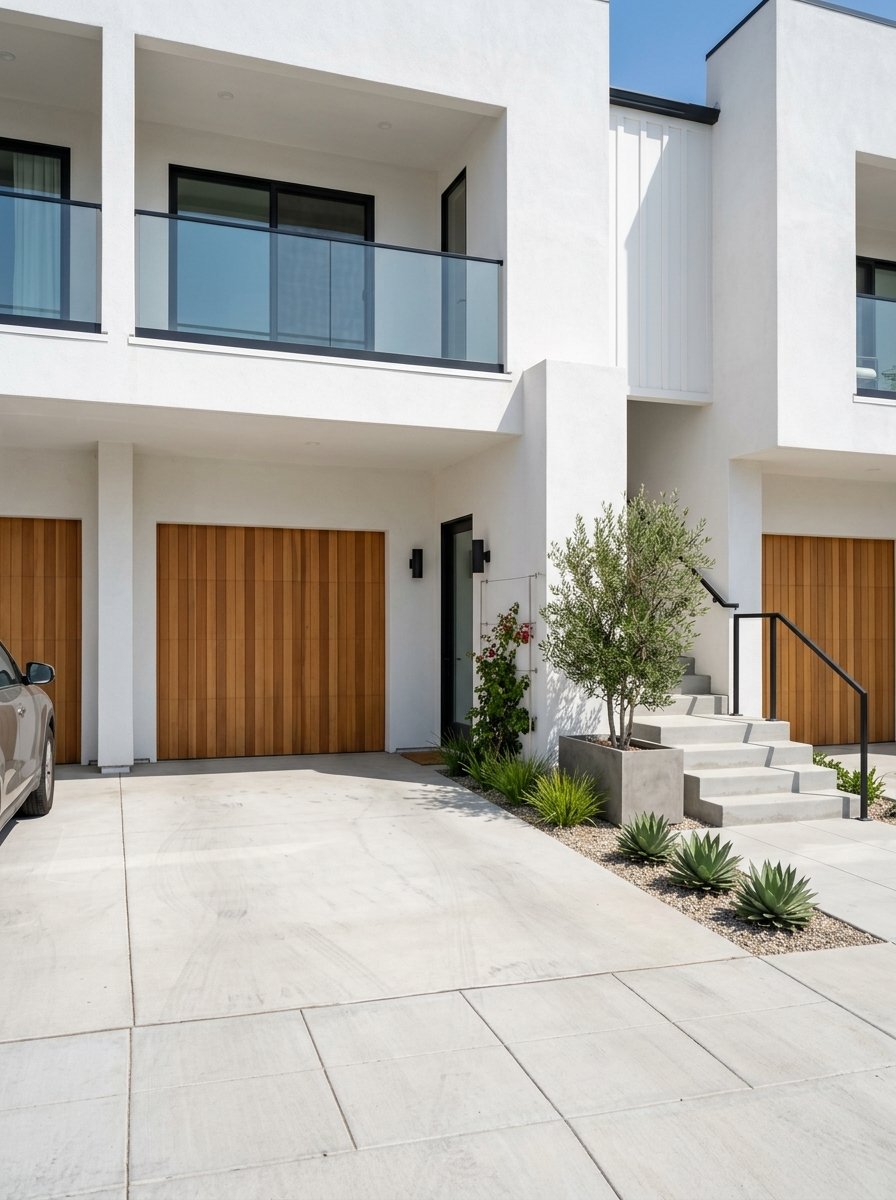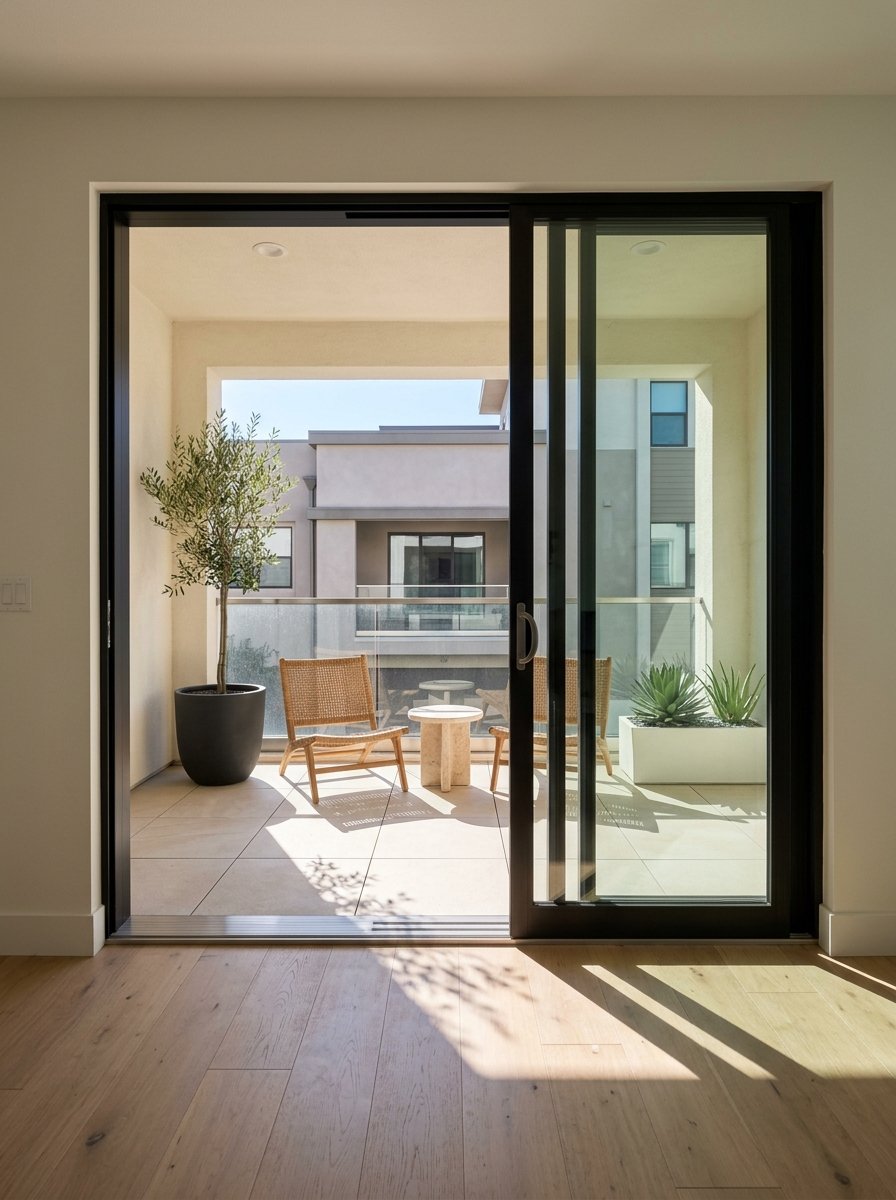
Wondering whether a condo or townhome is the right way to buy into Encinitas? You are not alone. For many buyers, these homes offer a more approachable path into one of North County’s most sought-after coastal markets, but the real decision goes far beyond price, square footage, or whether the place looks turnkey. In Encinitas, location, HOA health, and renovation rules can all shape your monthly costs and long-term flexibility. Let’s dive in.
Why Encinitas condo buying is different
Encinitas is made up of five community areas: Cardiff-by-the-Sea, Leucadia, New Encinitas, Old Encinitas, and Olivenhain. The city also notes that roughly two-thirds of Encinitas lies within the Coastal Zone and includes more than six miles of coastline. That matters because where you buy can affect not just lifestyle and pricing, but also renovation rules and future carrying costs.
If you are comparing neighborhoods, it helps to think beyond beach distance alone. Near-coastal areas can offer a different value equation than homes closer to the shoreline, especially if you want Encinitas access with fewer renovation hurdles. The El Camino Real corridor is one example the city is actively planning around, with a focus on more connected, walkable areas that support neighborhood-friendly housing in the right locations.
Condo vs townhome in Encinitas
One of the biggest misconceptions buyers have is assuming the building style tells you the ownership structure. In California, a condo and a townhome-style property can come with very different legal and financial setups. That distinction matters because your dues, maintenance responsibilities, and future risk often come down to what the HOA owns and maintains.
A condominium generally means you own the unit separately while common areas are shared. A planned development can physically look like a townhome or even a detached home, but the HOA may still own or maintain streets, amenities, utilities, or other shared elements. Membership in the association is automatic when you buy into the community.
Why the legal structure matters
Two townhome communities in Encinitas can look similar from the street and perform very differently as investments. One may have lower dues but more deferred maintenance risk. Another may charge more monthly but offer stronger reserves, better planning, and fewer surprise costs.
This is why I recommend looking at the ownership structure first and the exterior style second. The monthly number only tells part of the story. What really matters is what those dues cover and whether the HOA is keeping up with long-term obligations.
What to review before you make an offer
If you are buying a condo or townhome in Encinitas, HOA due diligence should be a major part of your decision. California guidance points buyers to a few core documents because they reveal how the association operates, what it plans to repair, and how financially prepared it is.
Key documents to review include:
- CC&Rs
- Bylaws
- Annual budget report
- Reserve summary
- Reserve funding plan
- Insurance summary
The CC&Rs set the basic rules for the community, including assessments, insurance responsibilities, and architectural controls. The annual budget report can also disclose reserve status, deferred repairs, anticipated special assessments, outstanding loans, insurance details, and FHA or VA approval status for condominium projects.
Focus on total monthly carrying cost
It is easy to fixate on HOA dues alone, but that can lead to a bad comparison. In California, associations must levy regular and special assessments sufficient to meet their obligations. That means your true monthly cost should include more than just the mortgage and dues.
When you budget, look at the full picture:
- Mortgage payment
- HOA dues
- Property taxes
- Any special taxes or Mello-Roos items on the tax bill
- Insurance needs beyond HOA coverage
- Possible future assessment exposure
California property-tax planning starts with the 1 percent base rate under Proposition 13, plus any voter-approved bonded debt or special taxes. In some communities, that extra layer can materially affect affordability.
Why reserve strength matters
Reserve strength is one of the best clues to future ownership risk. A reserve study estimates the cost of repairing or replacing major common-area components such as roofs or pavement. According to California Department of Real Estate guidance, a solid reserve study gives buyers a more accurate sense of an HOA’s financial strength and can help protect property value against deferred maintenance.
For older Encinitas communities, this becomes especially important. Many buyers love the character and established setting of older coastal projects, but the bigger question is whether the association has kept pace with long-term capital needs. Lower dues can look attractive at first, but weak reserves or delayed repairs may cost more over time.
Escrow checks worth making
Before closing, make sure you verify a few specific items in the HOA package:
- Whether the reserve funding plan anticipates future increases or special assessments
- Whether the budget shows deferred repairs or replacement work for major components
- How much insurance deductible exposure may still fall on you as the owner
- Whether a condo project has FHA or VA approval, if financing or future resale flexibility matters to you
For condos in particular, FHA and VA approval status can affect refinancing and the size of your future buyer pool. California requires that status to be disclosed in the annual budget report for condominium projects.
Renovation potential in Encinitas
If you are buying with plans to update, expand, or personalize the property, Encinitas deserves a closer look before you commit. The city requires building permits for many types of alteration, construction, repair, and replacement work affecting plumbing, electrical systems, walls, and other building elements. Published review times are roughly 7 to 10 days for trade permits and about 30 days for larger projects, while discretionary projects can take months.
That is only one layer of the process. Even if the city permit path looks manageable, your HOA may still control changes through the CC&Rs or an architectural review process. In condo and townhome communities, that added review can be just as important as the city approval itself.
Coastal Zone rules can change the equation
Because about two-thirds of Encinitas is in the Coastal Zone, coastal review is not a niche issue here. It is part of the normal development landscape. The city has local Coastal Development Permit authority, and certain projects may need that extra approval depending on location and scope.
A Coastal Development Permit may be required for some projects that:
- Remove more than 50 percent of exterior walls
- Are between the ocean and the first public road
- Are within 300 feet of the beach
Some interior-only remodels and smaller changes may be exempt unless they are near bluffs or sensitive areas. Still, if you are buying near the coast with plans to remodel, it is smart to verify the permit path early instead of assuming the project will be simple.
ADU plans need extra screening
If you are considering an ADU or JADU, coastal screening matters here too. In the Coastal Zone, Encinitas requires a Coastal Development Permit for certain ADUs or JADUs that are not fully contained within the primary structure, add habitable area, convert non-habitable space, or are detached.
That does not mean these projects are off the table. It simply means your timeline, budget, and approvals may be more layered than expected. If value-add potential is part of your purchase strategy, this step should be part of your upfront analysis.
Older vs newer condo communities
Older and newer communities each come with tradeoffs. Older projects may offer the setting, mature landscaping, and coastal feel that draw many buyers to Encinitas in the first place. But the financial side comes down to whether the association has stayed ahead of repairs, replacements, and reserve planning.
Newer communities are not automatically cheaper to own, but they may offer a more recent reserve study and a clearer operating baseline. California guidance for new associations stresses that reserve studies should be completed in a timely manner and certainly by the end of the first year of significant construction. That helps buyers understand whether the original budget is realistic for long-term ownership.
A practical way to compare value
When I look at condo and townhome value in Encinitas, I suggest weighing four factors together:
- Location quality
- HOA carrying cost
- Reserve health
- Renovation flexibility
Sometimes a property with slightly higher dues is actually the stronger buy because the documents are transparent, the reserves are healthier, and the improvement path is more realistic. On the other hand, a lower-dues property can become more expensive if it comes with deferred maintenance, weak reserves, or more coastal permitting friction than you expected.
A smart buyer checklist for Encinitas
If you want to keep your search focused and avoid surprises, start with this checklist:
- Confirm whether the property is legally a condominium or a planned development
- Read the reserve summary and reserve funding plan before deciding what monthly payment feels comfortable
- Review the tax bill for special taxes or Mello-Roos items
- Verify the city permit path for any remodel, addition, or ADU plan you may have
- Check whether the HOA requires separate architectural approval before city permits are filed
- For condos, confirm FHA and VA approval if financing options or resale flexibility matter to you
The best condo or townhome purchase in Encinitas is usually not just the one with the nicest finishes or the lowest dues. It is the one that balances location, financial health, and realistic long-term flexibility.
If you are weighing options in Encinitas, I can help you look past the surface details and evaluate the parts that really drive value, from HOA documents to renovation potential. When you are ready to talk through your options, connect with Ben Smith.
FAQs
What should you review before buying a condo in Encinitas?
- You should review the CC&Rs, bylaws, annual budget report, reserve summary, reserve funding plan, and insurance summary so you understand rules, costs, reserve health, and any future assessment risk.
How is a townhome different from a condo in Encinitas?
- A townhome-style property may be part of a planned development rather than a condominium, so the legal structure, HOA ownership, and maintenance obligations can differ even if the homes look similar.
Do HOA dues in Encinitas tell the whole cost story?
- No. You should evaluate dues along with mortgage payment, property taxes, special taxes, insurance needs, and the possibility of future assessment increases or special assessments.
Can you remodel a condo or townhome in Encinitas easily?
- It depends on the scope of work, city permit requirements, Coastal Zone location, and HOA architectural rules, so it is important to verify all approval layers before you buy.
Why does the Coastal Zone matter when buying in Encinitas?
- Because much of Encinitas lies in the Coastal Zone, some remodels, additions, and ADU projects may require extra coastal review, which can affect project timing and flexibility.
Does FHA or VA condo approval matter in Encinitas?
- Yes. For condominium projects, FHA and VA approval status can affect financing, refinancing, and future resale flexibility, and California requires that status to be disclosed in the annual budget report.